



In an era dominated by screens, keyboards and artificial intelligence, one of the most fundamentally human skills — the ability to speak and listen well — is gaining renewed attention. OracyChampions.com, an education platform based in Leeds, has emerged as a practical and timely response to this need, equipping young people with the oral communication skills that increasingly underpin success in education, employment and civic life.
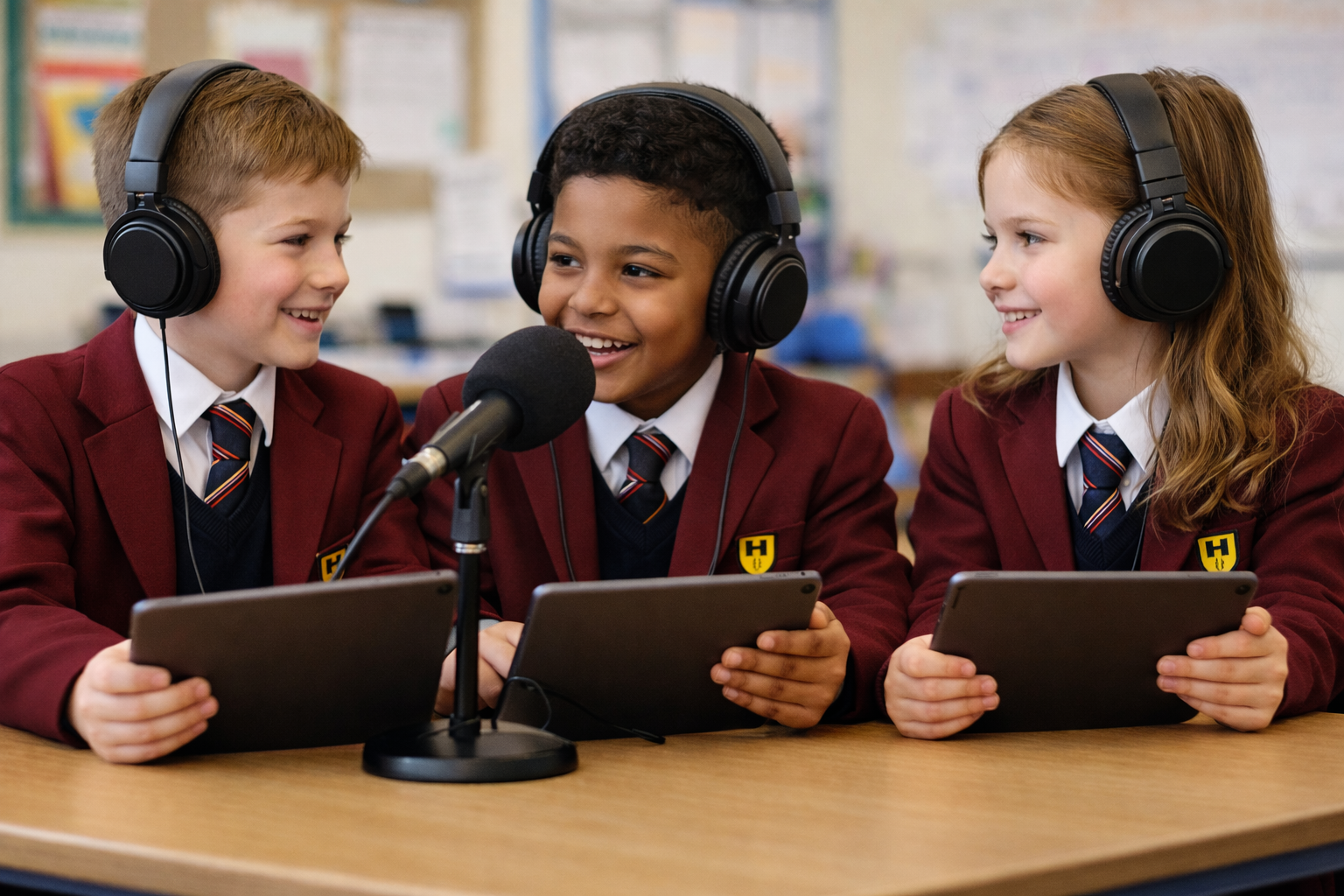
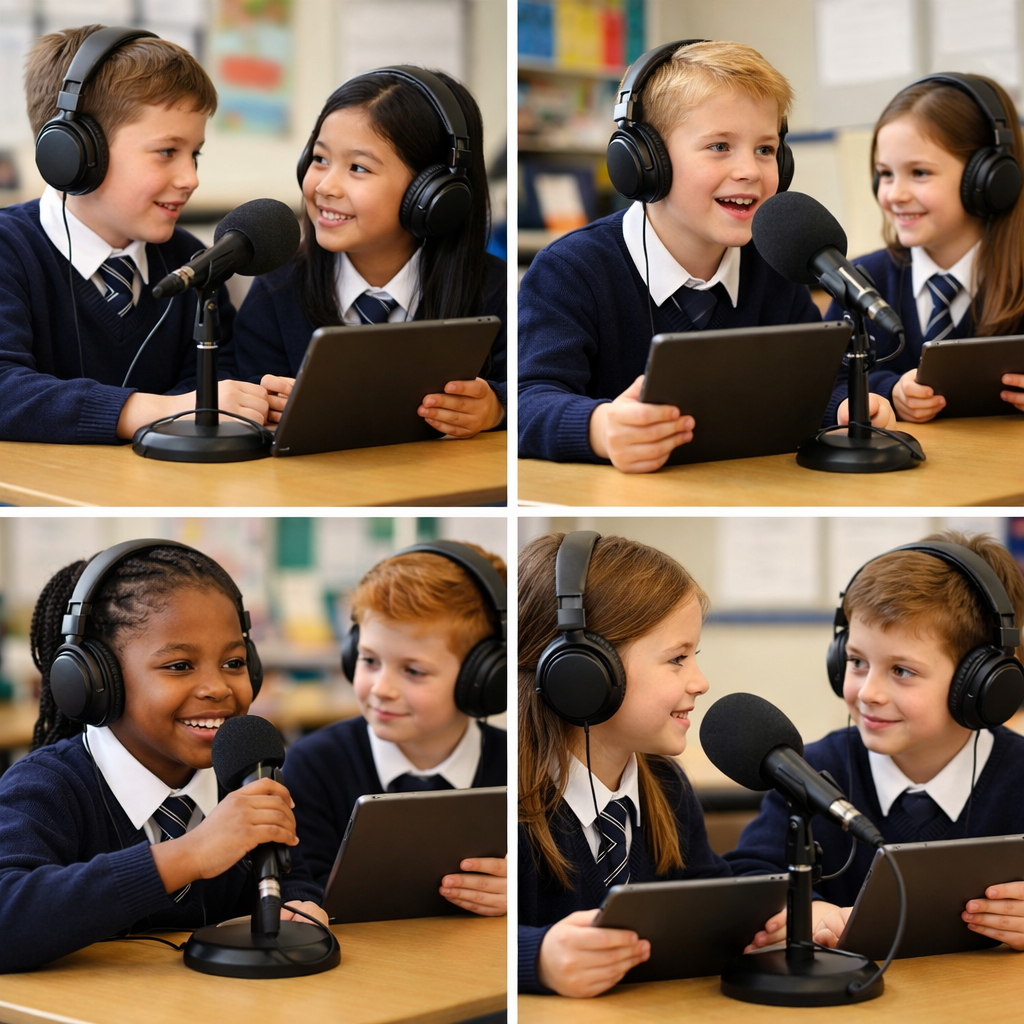
OracyChampions.com describes “oracy” as the ability to express oneself fluently and accurately in spoken language and to understand others effectively — a combination of speaking, listening and comprehension that sits alongside reading, writing and numeracy as a core educational skill. The platform enables teachers to record and assess students’ spoken contributions, track progress and engage learners with interactive oracy games, making the development of these skills both structured and enjoyable.
The mission of OracyChampions.com is clear: to empower learners to articulate their thoughts confidently, think critically, and engage meaningfully with others. Beyond academic performance, the platform emphasises oracy’s contribution to emotional intelligence, resilience and social confidence — attributes that research increasingly links to lifelong wellbeing and employability.
A National Push on Oracy
The platform’s growth aligns with a broader government and civil society push to elevate oracy within the education system. In the UK, major education organisations and policymakers have called for speaking and listening skills to be given equal status with reading, writing and arithmetic, asserting that strong oral communication is essential for life chances, social mobility and democratic participation.
The government’s Curriculum and Assessment Review has explicitly recognised the value of oracy, aiming to ensure that pupils leave compulsory education “ready for life and ready for work” with solid foundations in digital, life and communication skills — a response to employers who consistently rank verbal communication among the most sought-after competencies.
Campaigners and educators argue that oracy can help narrow entrenched inequalities. Children from disadvantaged backgrounds often start school with fewer opportunities to develop rich spoken language, a gap that can affect academic outcomes and future earnings. Prioritising oracy education, they contend, is therefore a lever for social mobility, helping all learners to access future opportunities regardless of background.
The Stakes in an AI World
The call to prioritise speaking and listening comes at a moment when routine cognitive tasks are increasingly automated. In this context, “human skills” — empathy, communication, critical reasoning and collaboration — are gaining value in the labour market because they cannot be easily replicated by artificial intelligence. Research shows that jobs requiring strong interpersonal and oral communication skills are associated with higher wage growth potential, as these skills complement rather than compete with digital technologies.
As technology transforms workplaces and social landscapes, platforms like OracyChampions.com are helping schools ensure that pupils do not just learn about the world, but learn how to voice their ideas, listen to others and participate as confident, capable citizens. In a society increasingly mediated by digital tools, the ability to speak and listen with clarity, empathy and impact remains a uniquely human strength — and one that may determine who thrives in the decades to come.