



In the House of Lords, discussions often uncover truths that resonate far beyond Westminster. Recently, a critical point was raised: the importance of teaching young people to express themselves, engage in meaningful debates, and tackle big ideas like anti-racism. These are not just nice-to-have skills; they are essential for navigating the complexities of work and life. Yet, as we glance at today’s curriculum, oracy—the art of effective spoken communication—remains noticeably absent.
We live in a world dominated by screens and digital exchanges. Our children may be fluent in swipes and likes, but how fluent are they in articulating ideas, listening actively, and challenging assumptions? Geoff Barton and the Oracy Commission have done vital work in advocating for oracy’s place in education. But as Baroness Humphreys rightly pointed out, the problem is not just among young people; it is also older generations who often struggle to adapt to a digital-first world.
What if oracy could be the bridge? A focus on spoken language in schools could help all generations—students, parents, and grandparents alike—to navigate this evolving landscape. By encouraging discussion, debate, and the kind of critical thinking that comes from face-to-face exchanges, we not only teach children to thrive but also empower families and communities to connect across divides.
Oracy as a Foundation for the Future
Early years are critical for building these skills. Baroness Humphreys highlighted how funding for evidence-based early language interventions is targeting children who need extra support. This is a step in the right direction, but it’s not enough. Oracy must be woven into the fabric of our schools, not as a one-off intervention but as a core part of the curriculum.
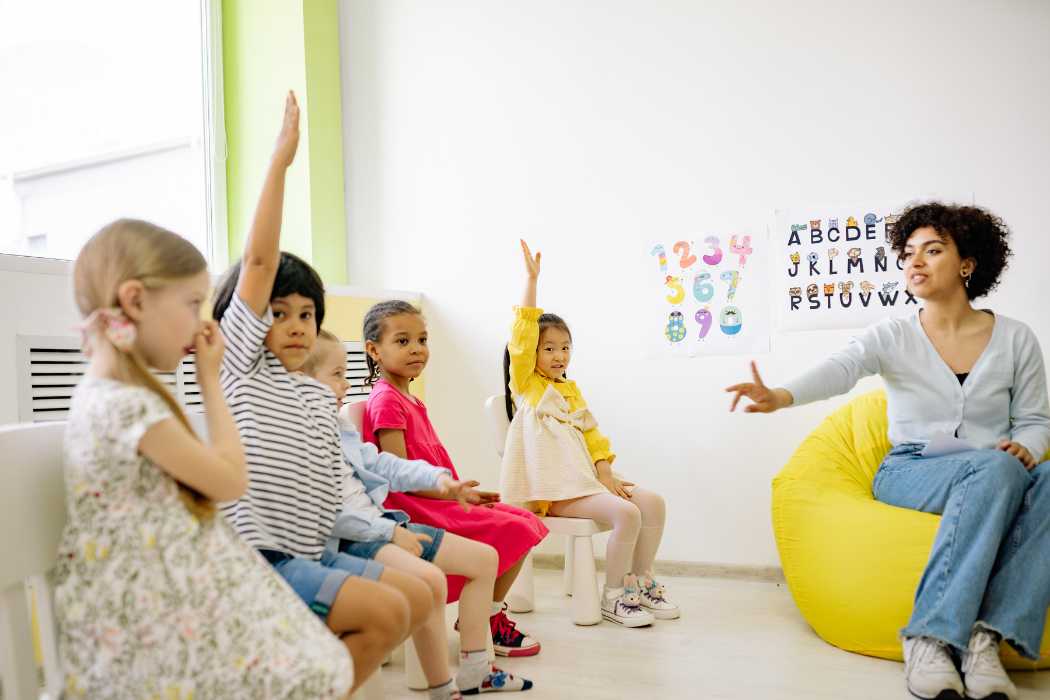
Imagine classrooms where structured debates prepare students for the complexities of life. Where group discussions teach empathy, and presentations build confidence. These skills do more than prepare students for exams—they prepare them for the workplace, where teamwork, persuasion, and clear communication are key. They prepare them to address issues like anti-racism with clarity and courage.
The Danger of Losing Human Connection
In our rush to embrace digital tools, let’s not forget the power of human connection. Technology can enhance communication, but it can’t replace the nuance, tone, and emotional depth of a spoken conversation. If we neglect oracy, we risk raising a generation that can text but cannot talk, that can scroll but cannot engage.
Baroness Humphreys noted that young people are digitally savvy, but older generations often struggle. This highlights a gap that oracy could help to close. Teaching young people to articulate their thoughts could also inspire them to help their parents and grandparents navigate the digital world. Communication, after all, is a two-way street.
A Call to Action
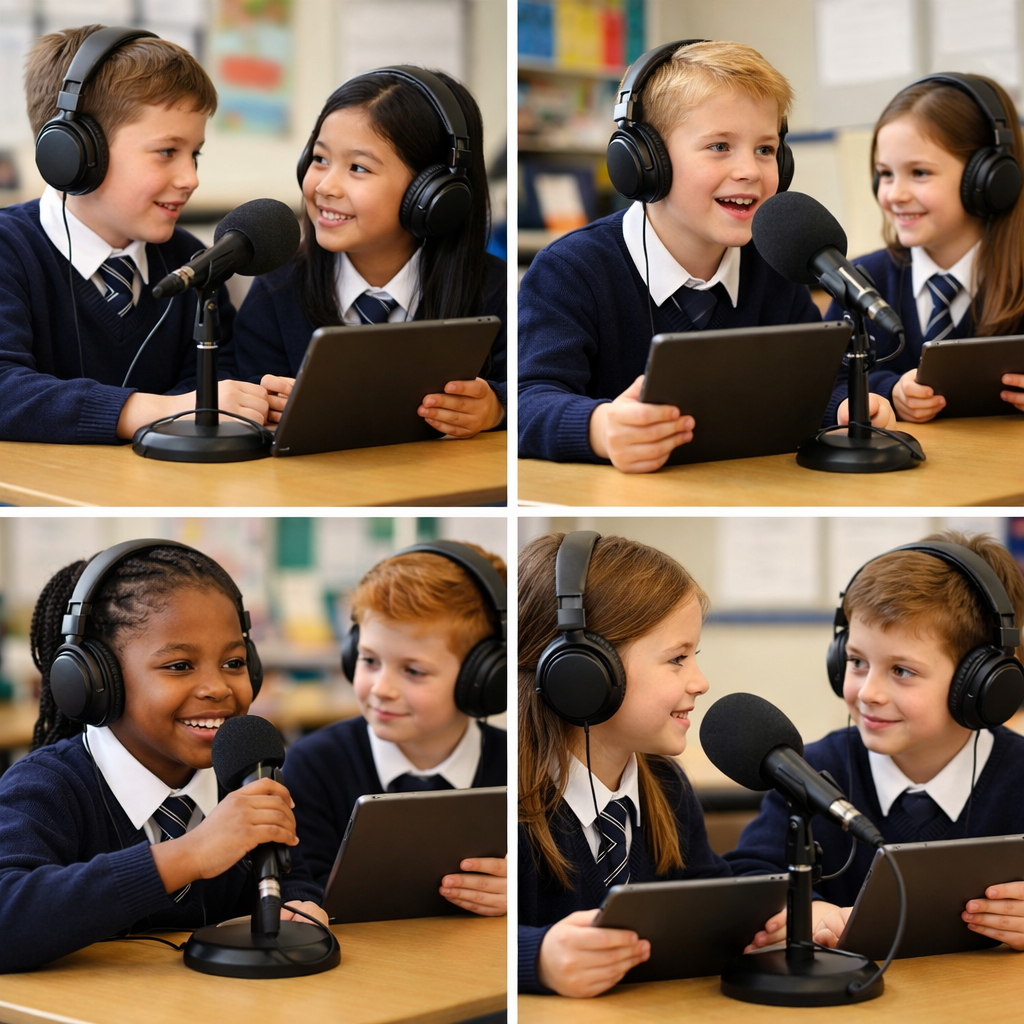
What can we do? Schools, parents, and policymakers must champion oracy at every level. It’s time to recognise that speaking and listening are not soft skills—they are fundamental. Let’s support teachers with the tools they need to build oracy into everyday learning. Let’s invest in platforms like Oracy Champions that make speaking and listening accessible and measurable.
And most importantly, let’s raise our expectations. A nation that values spoken language is a nation that values its future. Let’s ensure our children don’t just learn to read and write—they learn to speak and listen, with clarity, confidence, and compassion.